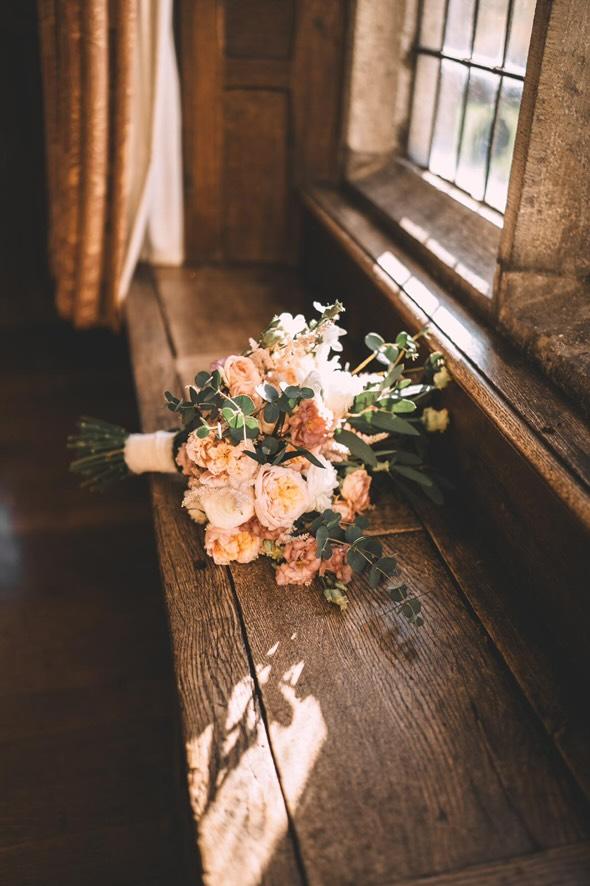
When it comes to planning a wedding, few details make as much impact as the flowers. They set the tone, enhance the mood, and thread together your ceremony and reception. But that dreamy floral look doesn't happen by chance-it starts with clear, thoughtful communication with your wedding florist.
Here are the essentials every bride should share with her florist to make sure the designs reflect your vision (and stay within budget).
1) Be Transparent About Your Budget
It might feel awkward to talk money right away, but it's one of the most important conversations you'll have. Your budget determines everything-from flower varieties to the size and scale of arrangements.
Be honest and specific. Instead of saying, "I don't want to spend too much," try: "I'd like to keep my floral budget around £1,000." This helps your florist prioritise where to invest (for example, your bridal bouquet, ceremony backdrop, or top table) and where to simplify (like guest table centrepieces). Clear budget guidance = smarter design decisions.
2) Favourite Flowers and Must-Haves
If peonies, garden roses, orchids, or wild greenery make your heart sing, tell your florist early on. Share any blooms with special meaning-and mention any no-go flowers or scent sensitivities (for example, lilies or strong fragrances).
If you're flexible, describe the vibe rather than specific stems: "romantic and lush," "modern and minimal," or "wild and natural." That gives your florist freedom to choose seasonal flowers that fit your aesthetic and budget. Sharing a Pinterest board or a few inspiration images is incredibly helpful-most brides don't know the names of every flower, but they're very clear on the look.
3) Your Overall Vibe and Aesthetic
Is your day timeless and classic? Bohemian and whimsical? Modern and chic? Describe the mood you want to create-airy and elegant, moody and dramatic, or rustic and organic. Share colour swatches (like bridesmaid dresses or stationery) and venue images.
If you have a wedding planner or stylist, loop your florist into the creative direction so everything feels cohesive-from bouquets and buttonholes to ceremony flowers and reception centrepieces.
4) Size, Scale, and Venue Layout
Your venue dramatically influences floral design. A grand ballroom with high ceilings may call for tall, statement centrepieces; an intimate garden setting might shine with low, organic arrangements.
Share details like your ceremony backdrop, table lengths, focal points (staircases, fireplaces, doorways), and any installation opportunities. Photos or a floor plan help your florist ensure arrangements are proportionate, practical, and impactful.
5) Season and Flexibility
Flowers are seasonal, which affects availability and price. Be open to substitutions. If peonies are out of season, your florist might suggest garden roses for a similar look and feel. Flexibility often leads to stunning-and budget-friendly-results.
If a specific flower is non-negotiable, say so. Your florist can advise on what's realistic for your date and budget. If you're happy to pay a premium to source out-of-season blooms, they'll do their best to make it happen-but it's always worth considering seasonal alternatives for freshness, longevity, and value.
Final Thoughts
The best wedding flowers come from collaboration. Share your budget, favourite flowers, overall vibe, and venue details, and your florist will design something beautiful, personal, and cohesive. Some couples want to maximise impact within a set budget; others have specific flowers in mind or want to replicate an exact image. Let your florist know your priorities so they can design accordingly.
Your flowers don't just decorate your wedding-they tell your story through colour, texture, and scent. Communicate openly, dream boldly, and trust your florist to bring that story to life.
Ready to start planning? Explore our wedding flowers and services to see how we can bring your ideas to life.